
Nigeria is a beautiful country with beautiful historical sites. Rich in culture, tradition, and history. From ancient kingdoms to colonial landmarks, the country is home to many historical sites that tell the story of its people and heritage.
For travelers, history lovers, and cultural explorers, visiting these places offers a deeper understanding of Nigeria’s past and how it shapes the present.
If you’re planning a cultural tour or simply want to explore more of Nigeria, here are some must-visit historical sites you should add to your travel list.
1. Olumo Rock
One of Nigeria’s most famous historical landmarks is Olumo Rock, located in the ancient city of Abeokuta. The rock served as a natural fortress for the Egba people during inter-tribal wars in the 19th century.
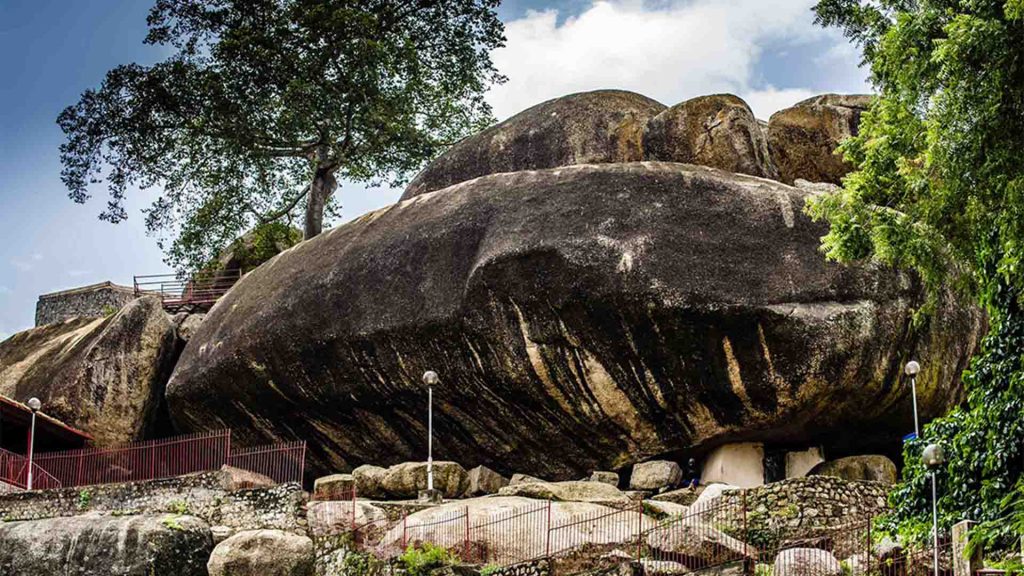
The name “Olumo” means “God has ended my troubles.” During periods of conflict, the Egba people used the rock as a hiding place and a strategic lookout point against invading enemies. The caves within the rock provided shelter, while the high elevation allowed warriors to monitor approaching threats.
Today, Olumo Rock is one of Nigeria’s most popular tourist attractions. Visitors can climb the rock using staircases carved into its structure or take an elevator to the top. At the summit, you get a breathtaking view of Abeokuta city.
The site also features shrines, ancient caves, and historical relics that tell the story of the Egba people’s resilience and survival. For anyone interested in Nigerian history and culture, Olumo Rock is a must-visit destination.
2. Egba Museum
Just a short distance from Olumo Rock lies another historical treasure—the Egba Museum. Located in Abeokuta, the museum is one of the most important cultural sites in southwestern Nigeria.
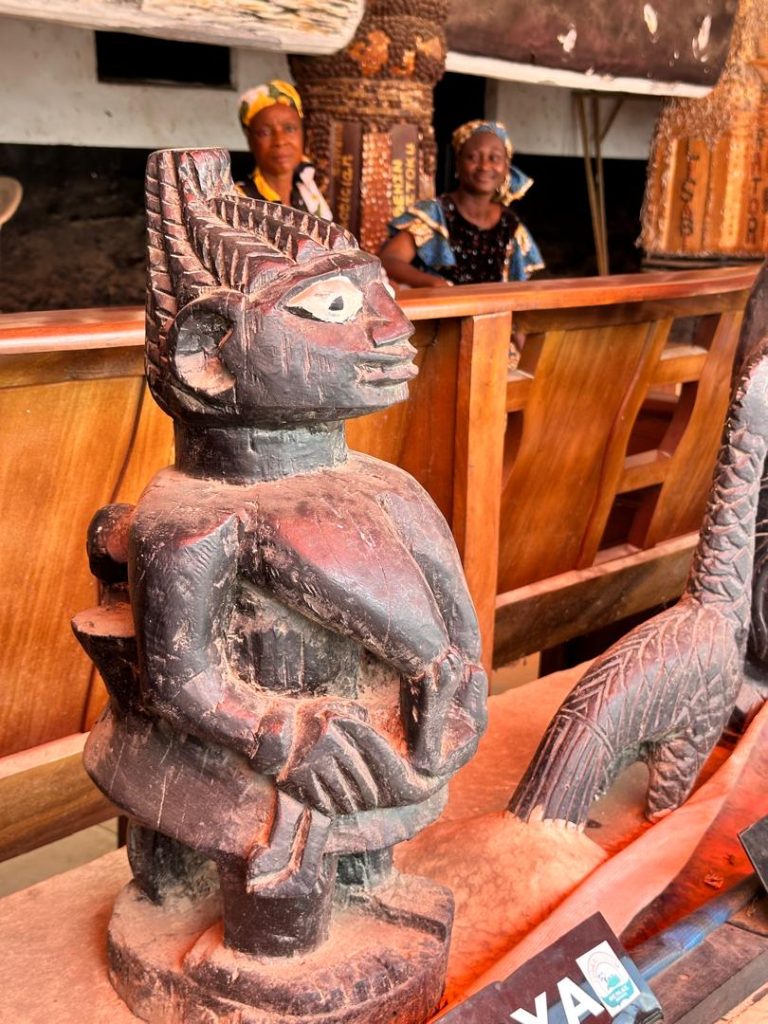
The museum houses a large collection of artefacts that document the history and traditions of the Egba people. Visitors can see ancient weapons, traditional clothing, royal regalia, and historical photographs.
One of the highlights of the museum is the section dedicated to Funmilayo Ransome-Kuti, a renowned Nigerian activist and women’s rights champion who played a major role in Nigeria’s political and social development.
The Egba Museum offers visitors an opportunity to understand the culture, governance system, and daily life of the Egba people throughout history. When visiting Olumo Rock, stopping by the museum provides a fuller historical experience.
3. Benin City National Museum
The National Museum in Benin City is another must-visit site for anyone interested in Nigerian history. It showcases the artistic and cultural heritage of the ancient Kingdom of Benin.
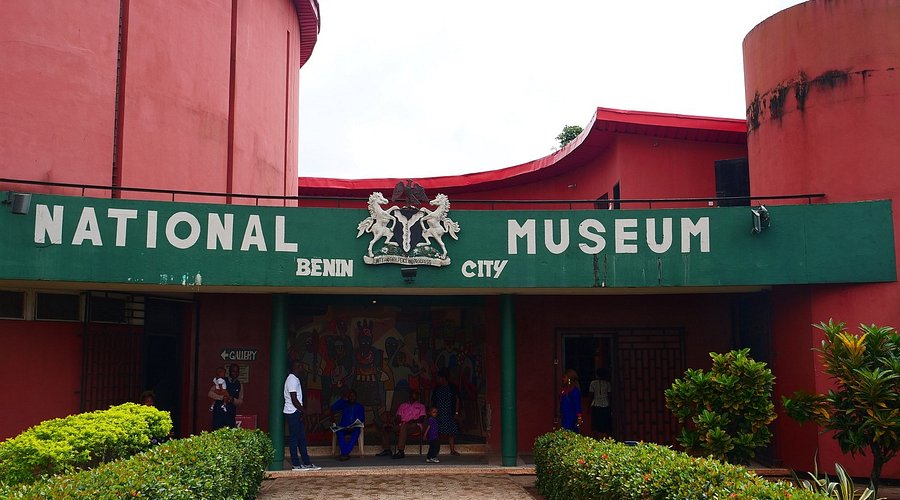
The museum is famous for displaying replicas and preserved works of the legendary Benin Bronzes—intricately crafted sculptures and plaques that once decorated the royal palace of the Oba of Benin.
These artworks demonstrate the advanced metalworking and artistic skill of the Benin people long before European contact. Visitors to the museum can also learn about the political structure, traditions, and ceremonies of the Benin Kingdom.
4. Osun-Osogbo Sacred Grove
The Osun-Osogbo Sacred Grove is one of the most spiritually significant historical sites in Nigeria. Located in Osogbo, the grove is dedicated to the Yoruba river goddess Osun.
The forest sanctuary contains shrines, sculptures, and artworks that reflect Yoruba religious traditions. Every year, thousands of people gather here for the famous Osun-Osogbo Festival.
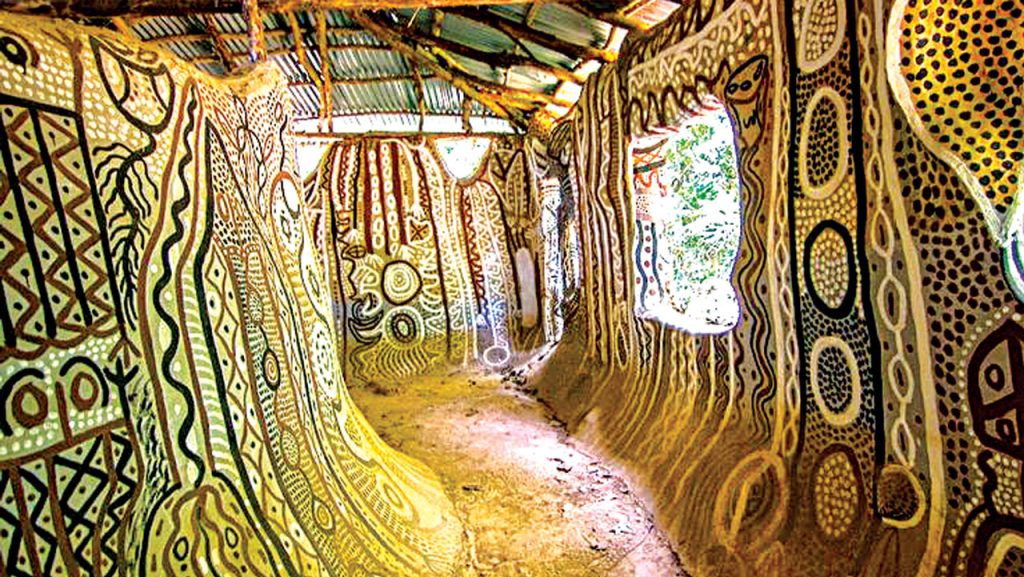
The grove is also recognized by UNESCO as a World Heritage Site because of its cultural and spiritual importance. Walking through the forest paths offers visitors a glimpse into Yoruba spirituality and artistic expression.
5. Slave History Museum
Located in Calabar, the Slave History Museum tells the story of the transatlantic slave trade in Nigeria.
During the 18th and 19th centuries, Calabar served as one of the major ports where enslaved Africans were transported to Europe and the Americas. The museum contains documents, photographs, and historical artefacts that help visitors understand this painful but important part of history.
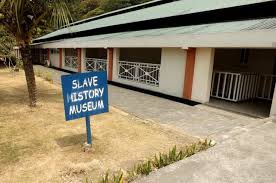
It serves as both a memorial and an educational center that preserves the memory of those affected by the slave trade.
Nigeria’s historical sites offer a powerful window into the country’s past. From ancient kingdoms and sacred forests to cultural museums and natural fortresses, these landmarks preserve stories that define Nigeria’s identity.
Whether you are a local traveler or an international tourist, exploring these destinations can deepen your appreciation of Nigeria’s rich cultural heritage. Sites like Olumo Rock and the Egba Museum remind us of the resilience, creativity, and traditions that continue to shape the nation today.
If you’re planning your next cultural adventure, make sure to get your tickets to these historical sites on Whatadeal Events for an unforgettable experience.

Leave a Reply