Category: Events

  • How to Avoid Overcrowding at Events: A Smart Guide for Organizers

    How to Avoid Overcrowding at Events: A Smart Guide for Organizers

    Poor crowd management at events is one of the fastest ways to turn an exciting event into a frustrating — and even unsafe — experience. Whether you’re planning a concert, festival, campus tour, or cultural gathering, managing crowd flow is not just about comfort; it’s about safety, brand reputation, and overall event success. 

    In today’s digital age, smart event organizers are turning to modern ticketing and crowd management solutions like Whatadeal Africa to prevent overcrowding before it even begins. 

    Let’s break down how you can avoid overcrowding at your events while delivering a seamless experience for attendees. 

    Why Overcrowding Happens 

    Before solving the problem, it’s important to understand what causes it: 

    • Overselling tickets without tracking venue capacity  
    • Poor entry management leading to bottlenecks  
    • Lack of real-time data on attendance  
    • Walk-ins without control systems  
    • Manual or disorganized ticket verification  

    The result? Long queues, safety risks, unhappy guests, and negative reviews. 

    1. Set a Clear Capacity Limit (And Stick to It) 

    Every venue has a maximum capacity for a reason. Ignoring it can lead to serious consequences, including safety hazards and regulatory issues. 

    With a digital ticketing system like Whatadeal Africa, you can: 

    • Set strict ticket limits  
    • Automatically stop sales once capacity is reached  
    • Prevent accidental overselling  

    This ensures you never exceed what your venue can safely handle. 

    2. Use Digital Ticketing Instead of Manual Systems 

    Manual ticketing methods (like spreadsheets or WhatsApp lists) are prone to errors and duplication. 

    A platform like Whatadeal Africa offers: 

    • Unique QR-coded tickets  
    • Automated verification  
    • Real-time tracking of attendees  

    This eliminates fake entries and ensures only verified guests gain access. 

    3. Introduce Timed Entry Slots 

    One of the most effective ways to manage crowds is by controlling when people arrive. 

    Instead of allowing everyone to show up at once: 

    • Create time-based ticket categories  
    • Stagger entry across different time slots  
    • Reduce pressure at entry points  

    This is especially useful for high-traffic events like festivals, exhibitions, and tourist attractions. 

    4. Enable Pre-Registration and Online Payments 

    Walk-ins can quickly spiral out of control if not properly managed. 

    By encouraging pre-registration and online ticket purchases, you: 

    • Predict attendance more accurately  
    • Reduce last-minute crowd surges  
    • Eliminate cash handling delays  

    With Whatadeal Africa, attendees can book tickets in advance, helping you plan logistics with confidence. 

    5. Monitor Attendance in Real-Time 

    You can’t control what you can’t see. 

    Modern ticketing platforms provide real-time insights such as: 

    • Number of attendees already inside  
    • Remaining capacity  
    • Entry trends  

    This allows you to make quick decisions, like pausing entry or redirecting crowds. 

    6. Design a Smooth Entry and Exit Flow 

    Even with limited tickets, poor layout can still cause overcrowding. 

    Best practices include: 

    • Multiple entry and exit points  
    • Clear signage and directions  
    • Separate lanes for VIP, regular, and staff  

    Pairing this with QR code scanning from Whatadeal Africa ensures faster movement and minimal congestion. 

    7. Train Your Event Staff 

    Technology is powerful, but people make it work. 

    Your team should: 

    • Understand crowd control procedures  
    • Know how to use ticket scanning tools  
    • Be able to respond quickly to crowd build-up  

    Well-trained staff can prevent small issues from escalating into major problems. 

    8. Communicate Clearly with Attendees 

    Many overcrowding issues happen because guests don’t know what to expect. 

    Before the event: 

    • Share entry times and guidelines  
    • Send reminders via email or SMS  
    • Encourage early arrival within assigned slots  

    Platforms like Whatadeal Africa make it easy to communicate directly with ticket holders. 

    Events

    9. Use Data to Improve Future Events 

    After your event, review what worked and what didn’t: 

    • When was peak entry time?  
    • Where did congestion occur?  
    • How many tickets were unused?  

    With data insights from Whatadeal Africa, you can refine your strategy and deliver even better experiences next time. 

    The Whatadeal Advantage 

    Avoiding overcrowding is not just about control — it’s about creating a better experience for everyone involved. 

    Whatadeal Africa helps event organizers: 

    • Sell tickets efficiently  
    • Manage capacity automatically  
    • Track attendance in real-time  
    • Eliminate manual errors  
    • Deliver a seamless guest experience  

    Whether you’re organizing a campus tour, cultural festival, or large-scale concert, having the right ticketing system in place can make all the difference. 

    Overcrowding doesn’t happen by accident — it’s usually the result of poor planning and outdated systems. By embracing digital solutions, setting clear limits, and using real-time data, you can stay in control from start to finish. 

    If you want your next event to run smoothly, safely, and successfully, it’s time to move beyond manual processes and adopt smarter tools like Whatadeal Africa. 

    Because a well-managed crowd isn’t just safer — it’s the foundation of an unforgettable event experience. 

    To stay afloat with events across Nigeria and ways to manage your event, connect with us on Instagram.
  • Beautiful Historical Sites To See In Nigeria

    Beautiful Historical Sites To See In Nigeria

    Nigeria is a beautiful country with beautiful historical sites. Rich in culture, tradition, and history. From ancient kingdoms to colonial landmarks, the country is home to many historical sites that tell the story of its people and heritage.

    For travelers, history lovers, and cultural explorers, visiting these places offers a deeper understanding of Nigeria’s past and how it shapes the present.

    If you’re planning a cultural tour or simply want to explore more of Nigeria, here are some must-visit historical sites you should add to your travel list.

    1. Olumo Rock

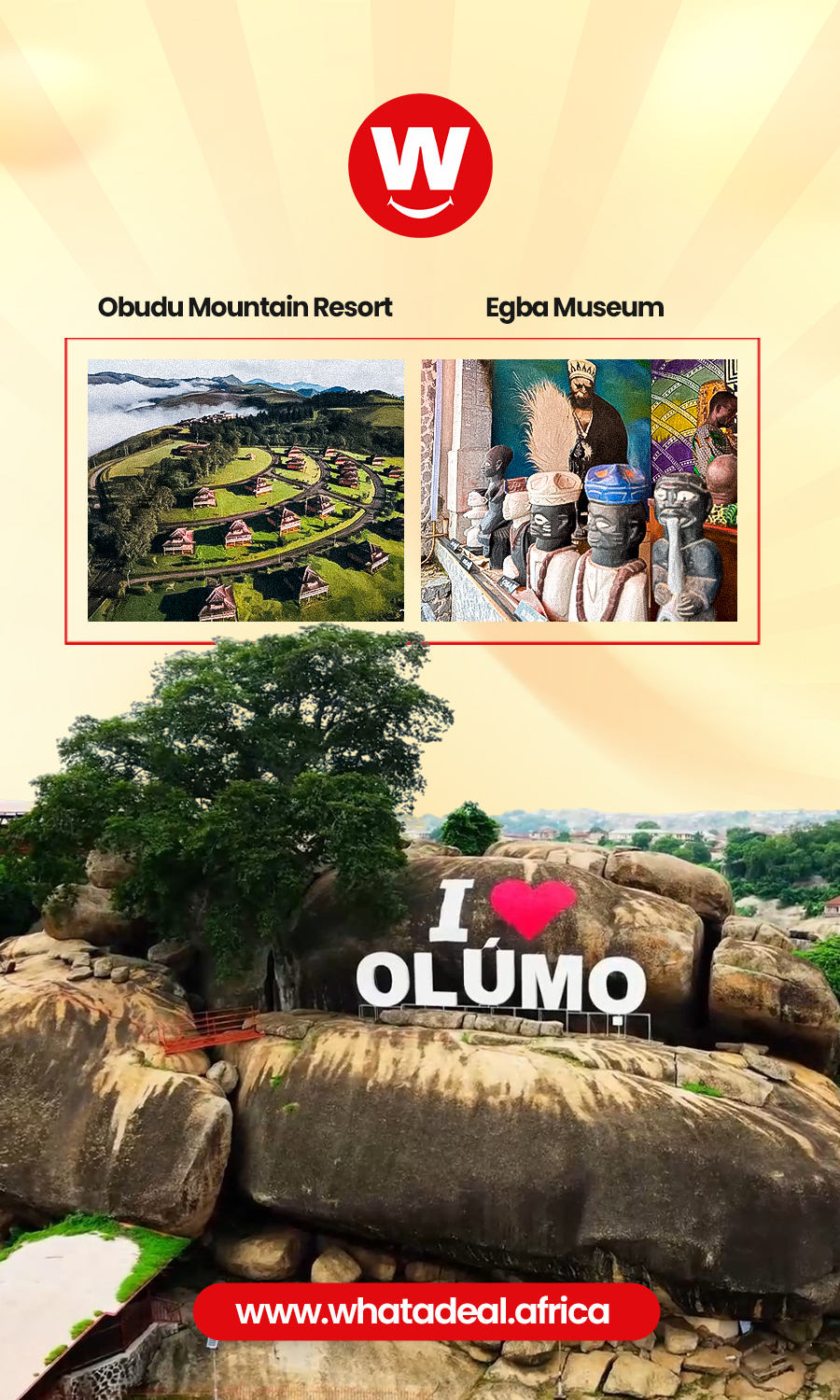
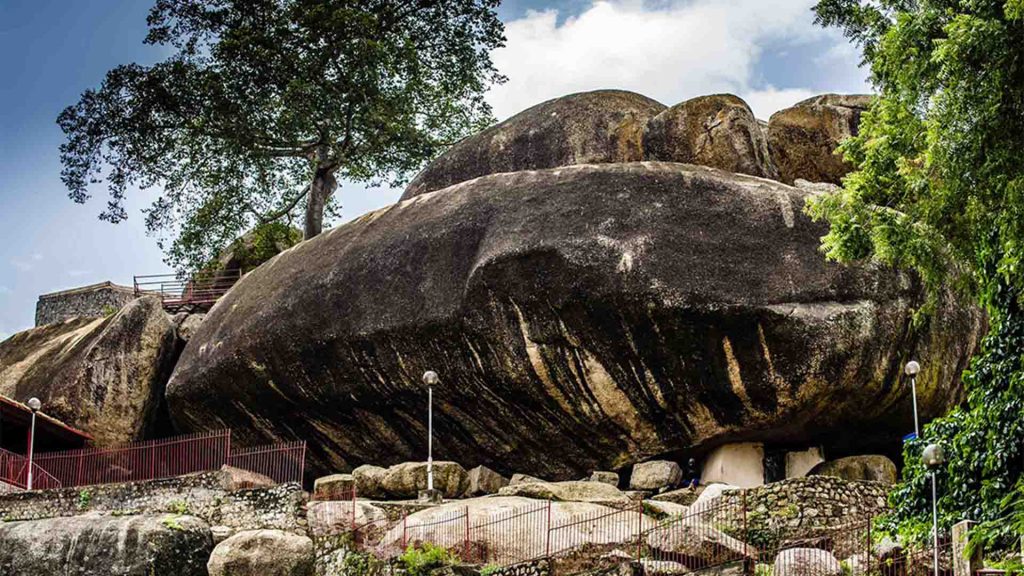
    One of Nigeria’s most famous historical landmarks is Olumo Rock, located in the ancient city of Abeokuta. The rock served as a natural fortress for the Egba people during inter-tribal wars in the 19th century.

    Historical sites in Nigeria

    The name “Olumo” means “God has ended my troubles.” During periods of conflict, the Egba people used the rock as a hiding place and a strategic lookout point against invading enemies. The caves within the rock provided shelter, while the high elevation allowed warriors to monitor approaching threats.

    Today, Olumo Rock is one of Nigeria’s most popular tourist attractions. Visitors can climb the rock using staircases carved into its structure or take an elevator to the top. At the summit, you get a breathtaking view of Abeokuta city.

    The site also features shrines, ancient caves, and historical relics that tell the story of the Egba people’s resilience and survival. For anyone interested in Nigerian history and culture, Olumo Rock is a must-visit destination.

    2. Egba Museum

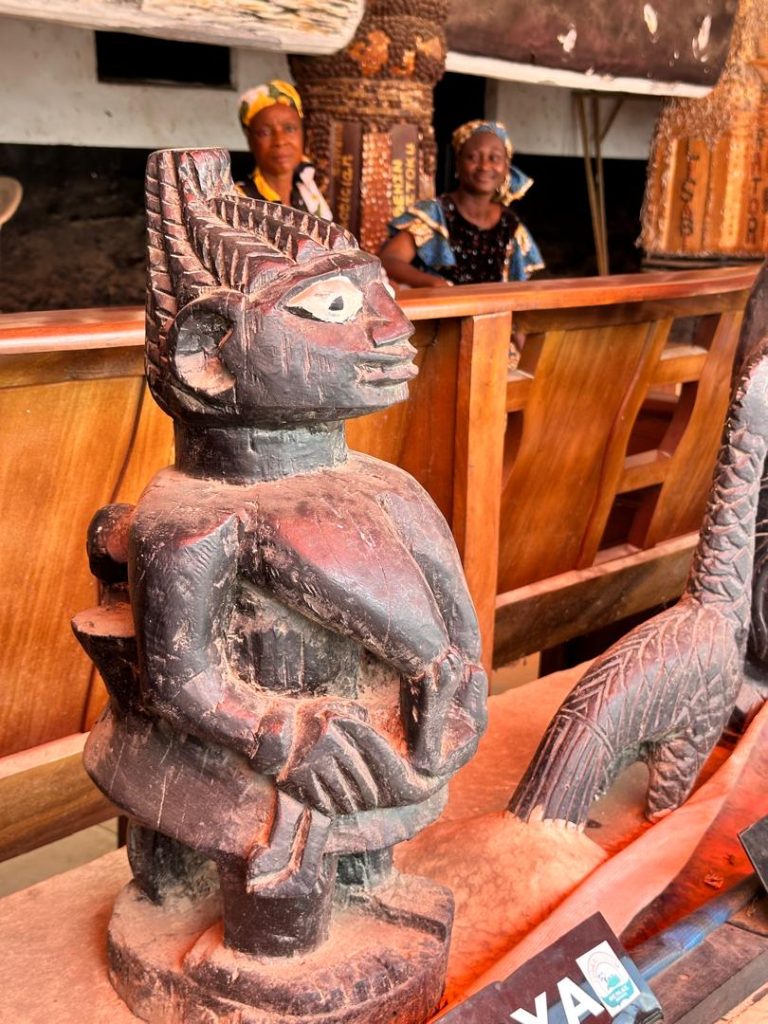
    Just a short distance from Olumo Rock lies another historical treasure—the Egba Museum. Located in Abeokuta, the museum is one of the most important cultural sites in southwestern Nigeria.

    Historical sites in Nigeria

    The museum houses a large collection of artefacts that document the history and traditions of the Egba people. Visitors can see ancient weapons, traditional clothing, royal regalia, and historical photographs.

    One of the highlights of the museum is the section dedicated to Funmilayo Ransome-Kuti, a renowned Nigerian activist and women’s rights champion who played a major role in Nigeria’s political and social development.

    The Egba Museum offers visitors an opportunity to understand the culture, governance system, and daily life of the Egba people throughout history. When visiting Olumo Rock, stopping by the museum provides a fuller historical experience.

    3. Benin City National Museum

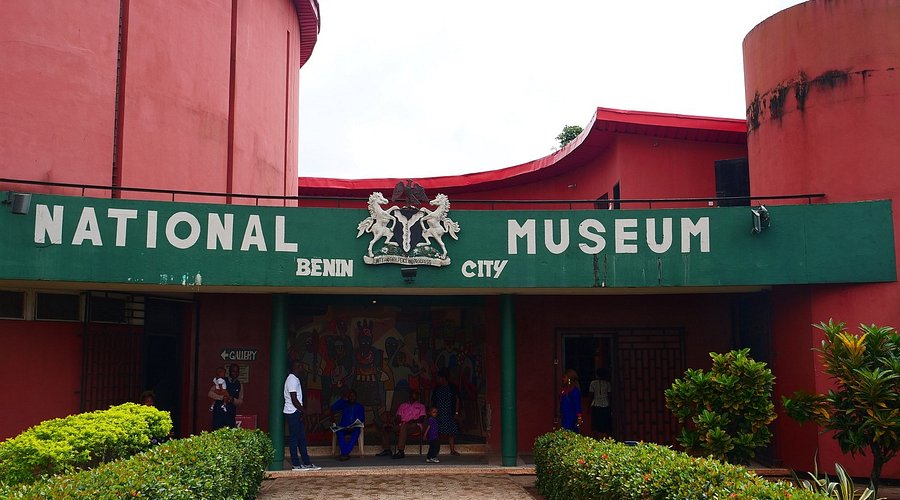
    The National Museum in Benin City is another must-visit site for anyone interested in Nigerian history. It showcases the artistic and cultural heritage of the ancient Kingdom of Benin.

    Historical sites in Nigeria

    The museum is famous for displaying replicas and preserved works of the legendary Benin Bronzes—intricately crafted sculptures and plaques that once decorated the royal palace of the Oba of Benin.

    These artworks demonstrate the advanced metalworking and artistic skill of the Benin people long before European contact. Visitors to the museum can also learn about the political structure, traditions, and ceremonies of the Benin Kingdom.

    4. Osun-Osogbo Sacred Grove

    The Osun-Osogbo Sacred Grove is one of the most spiritually significant historical sites in Nigeria. Located in Osogbo, the grove is dedicated to the Yoruba river goddess Osun.

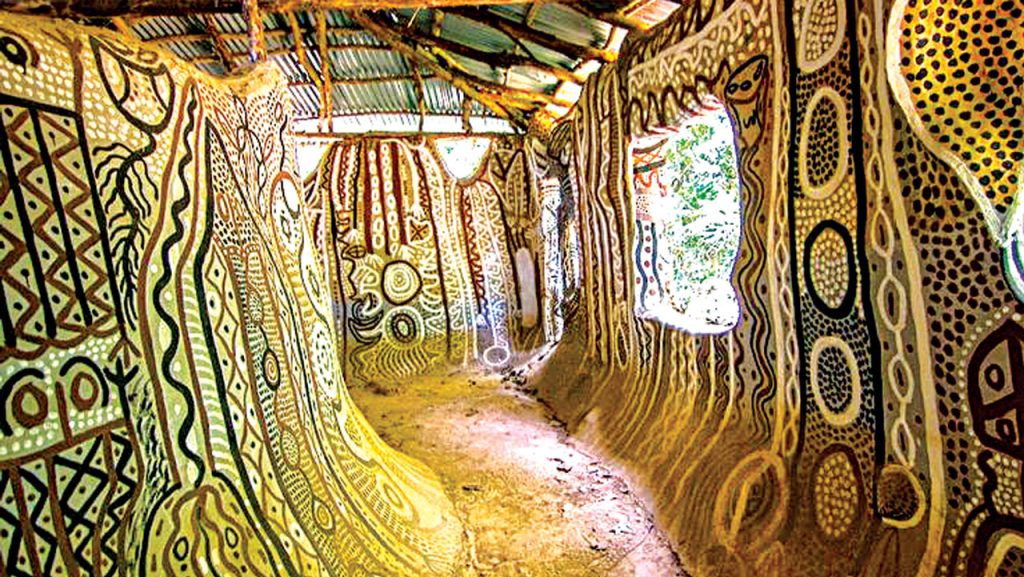
    The forest sanctuary contains shrines, sculptures, and artworks that reflect Yoruba religious traditions. Every year, thousands of people gather here for the famous Osun-Osogbo Festival.

    Historical sites in Nigeria

    The grove is also recognized by UNESCO as a World Heritage Site because of its cultural and spiritual importance. Walking through the forest paths offers visitors a glimpse into Yoruba spirituality and artistic expression.

    5. Slave History Museum

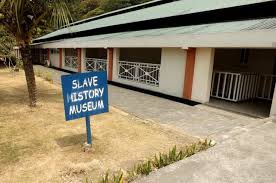
    Located in Calabar, the Slave History Museum tells the story of the transatlantic slave trade in Nigeria.

    During the 18th and 19th centuries, Calabar served as one of the major ports where enslaved Africans were transported to Europe and the Americas. The museum contains documents, photographs, and historical artefacts that help visitors understand this painful but important part of history.

    Historical sites in Nigeria

    It serves as both a memorial and an educational center that preserves the memory of those affected by the slave trade.

    Nigeria’s historical sites offer a powerful window into the country’s past. From ancient kingdoms and sacred forests to cultural museums and natural fortresses, these landmarks preserve stories that define Nigeria’s identity.

    Whether you are a local traveler or an international tourist, exploring these destinations can deepen your appreciation of Nigeria’s rich cultural heritage. Sites like Olumo Rock and the Egba Museum remind us of the resilience, creativity, and traditions that continue to shape the nation today.

    If you’re planning your next cultural adventure, make sure to get your tickets to these historical sites on Whatadeal Events for an unforgettable experience.

Verified by MonsterInsights